NFL Sack Props and Pass Rush Odds
 Available in US
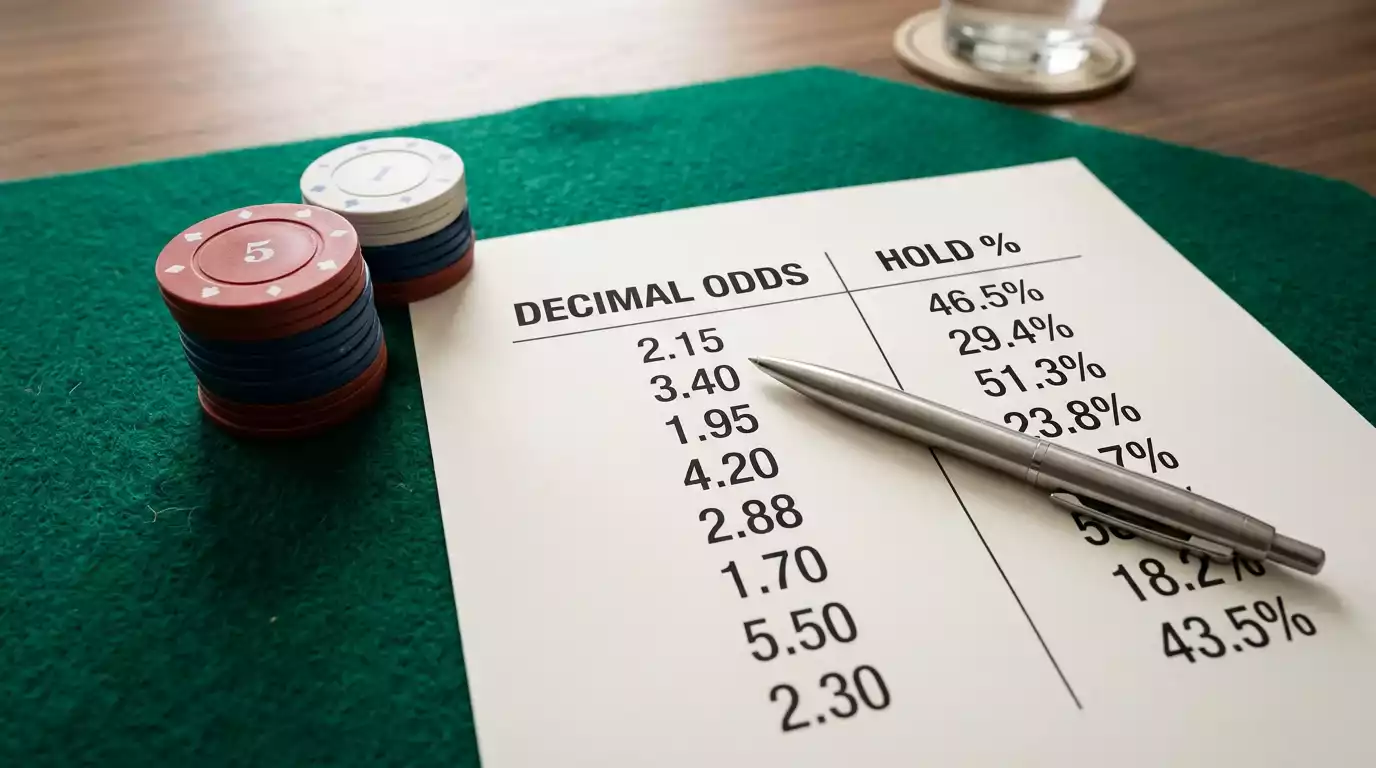
Sack props are the smallest market I bet regularly – and some of the sharpest. While the rest of the prop board attracts millions in handle on quarterback passing yards and anytime touchdowns, the sack market quietly sits in the corner with thinner limits and wider margins. The average hold percentage across sportsbooks has risen above 9% in recent years per Doc’s Sports analysis, and on niche defensive props like sacks, that margin is often wider still. Yet the lower competition means the edges are more accessible if you know where to look.
I started paying serious attention to sack props three seasons ago, when I noticed that certain matchups – elite pass rushers against weak offensive tackles – produced sacks at rates the prop lines consistently underpriced. The sportsbook had sophisticated models for the passing game but cruder ones for the pass rush, and that gap created a persistent edge.
Defensive Pressure Metrics for Sack Prop Bettors
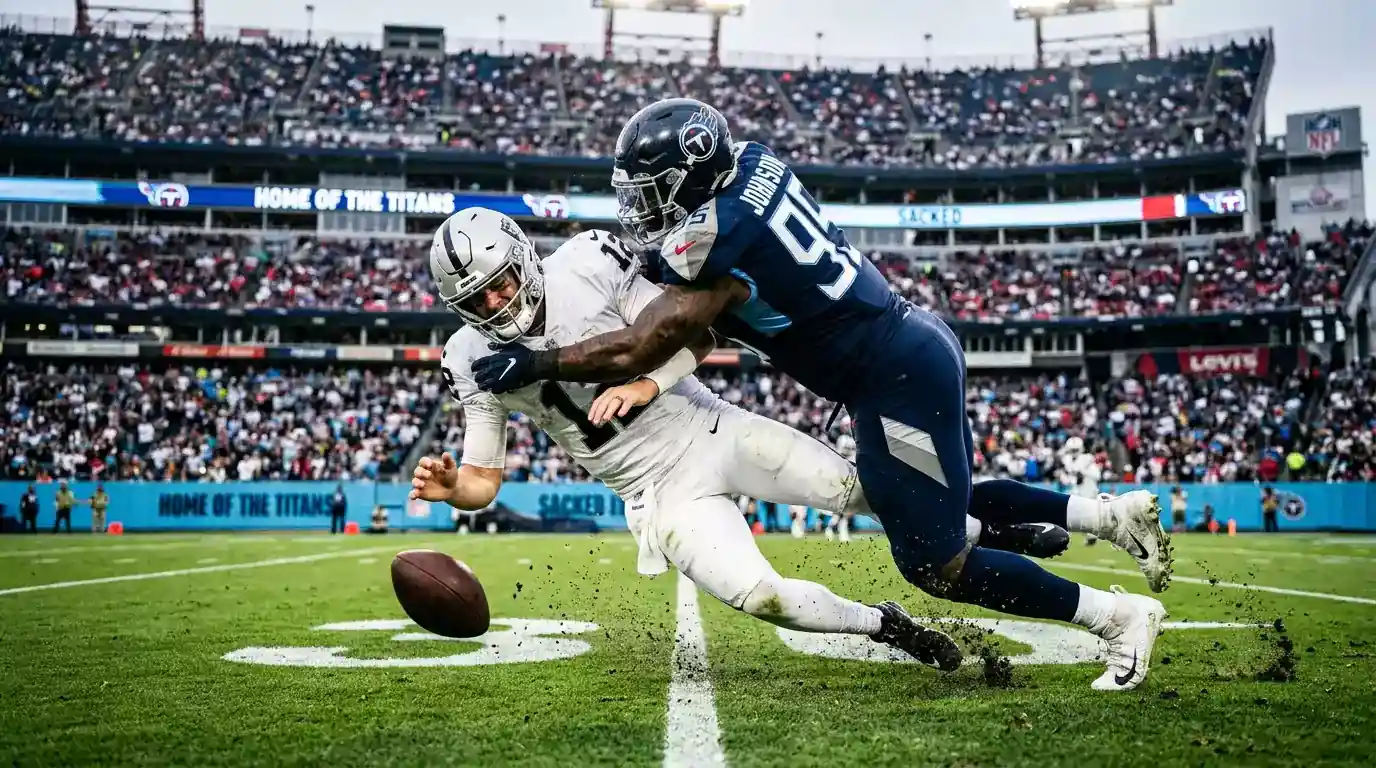
A sack is the headline event, but pressure is the underlying process. Not every pressure becomes a sack – the quarterback might throw the ball away, scramble, or take an intentional grounding penalty. Understanding pressure rates gives you a more stable predictive base than looking at sack totals alone.
Team pressure rate measures how often a defence creates a hurry, hit, or sack on the quarterback. A team generating pressure on 35% of dropbacks is creating a hostile environment for passing, and sacks will follow. A team pressuring on 22% of dropbacks might have a few sacks from coverage breakdowns, but the structural foundation isn’t there. I set my baseline at 30%: above that, sack props for the team’s lead pass rusher deserve attention. Below that, I’m cautious.
Individual pressure rate zooms in on specific defenders. An edge rusher with a pressure rate above 15% is an elite disruptor. His sack prop – typically set at 0.5 on most UK platforms, meaning you’re betting on whether he records at least one sack – becomes viable when combined with a favourable matchup. The gap between pressure and sacks is partly luck and partly technique, but over a sample of several games, the rusher who generates the most pressure converts the most sacks.
Blitz rate adds another layer. Teams that blitz frequently generate additional pressure but also create one-on-one blocking matchups that benefit individual pass rushers. When a defence calls a blitz, the offensive line has to account for more threats, and the best rusher on the field often gets a cleaner path to the quarterback. High-blitz-rate defences are where individual sack props find their most consistent value.
Offensive Line Weaknesses That Inflate Sack Counts
The NFL is roughly 34% of all US sports betting handle per Doc’s Sports data, and within that enormous market, the offensive line is the most undercovered position group. Casual bettors don’t study tackles and guards. Sharp prop bettors do.
An offensive tackle who allows pressure on 8% of pass-blocking snaps is below-average. When that tackle faces an elite edge rusher, the sack probability spikes. I maintain a simple spreadsheet that tracks sacks allowed by starting offensive tackles – not the flashiest research, but it produces actionable data. The matchup between a top-five pass rusher and a bottom-ten tackle is the highest-probability sack scenario in football, and it occurs several times per week.
Injuries to offensive linemen amplify this effect dramatically. A backup tackle stepping in for a starter who was already average is a sack waiting to happen. The prop line might adjust slightly when the injury is announced, but the adjustment rarely matches the magnitude of the downgrade. I’ve found some of my best sack prop bets in the 24-hour window after an offensive tackle is ruled out and before the sportsbook fully reprices the pass rush implications.
Interior pressure matters too, though it’s harder to convert to sacks. Defensive tackles who collapse the pocket force the quarterback to step up into the edge rusher’s path. When a team has both interior and exterior pressure, the quarterback has nowhere to go, and the sack probability for the primary pass rusher increases beyond what his individual pressure rate suggests. That synergy between interior and exterior rush is something the prop market struggles to price, because the models evaluate individual performance rather than scheme-level interactions.
Individual Sack Props: When Star Rushers Offer Value
The most common individual sack prop is set at 0.5 – will this player record at least one sack? The odds vary based on the player and the matchup, typically ranging from 2.50 to 4.00 on the over (1 or more sacks) and 1.25 to 1.50 on the under (0 sacks). The public tends to bet the over on star rushers because the narrative of a dominant pass rusher getting a sack is compelling. That public bias creates value on the under in spots where the matchup doesn’t support a sack.
When I do bet the over on an individual sack prop, I want three conditions aligned: the rusher has an individual pressure rate above 15%, the opposing offensive tackle has allowed pressure on at least 7% of snaps, and the game script projects the trailing team to drop back 35 or more times. That third condition matters because more dropbacks mean more opportunities for the pass rush to convert pressure into sacks.
Season-long sack total props – which appear as futures before the season – offer a different kind of value. The variance on sacks is extremely high game to game, but over a full season, the best pass rushers converge toward predictable ranges. A rusher who has averaged 12 sacks per season over the past three years with stable health has a reliable baseline. If the sportsbook sets his season total at 10.5, the over has structural support. I approach these futures with small stakes and patience, knowing the variance will be bumpy but the signal is real. For context on how pass rush interacts with the broader defensive matchup picture, defensive rankings for prop betting covers the metrics framework that underpins this analysis.
Are individual sack props available on most UK sportsbooks?
Most major UKGC-licensed sportsbooks offer individual sack props for marquee games, particularly primetime fixtures and playoffs. Coverage for early-window Sunday games varies by platform. The market is typically set at 0.5 sacks, letting you bet on whether a named defender will record at least one sack in the game.
How volatile are sack totals compared to other NFL prop markets?
Sack props are among the most volatile player markets in the NFL. A dominant pass rusher might record three sacks one week and zero the next. The variance is higher than passing yards, rushing yards, or receiving yards because sacks are low-frequency events — even the best edge rushers average less than one per game across a full season.
Written by the editors at nfl Best Player Prop Bets.