NFL Interception Props and Turnover Markets
 Available in US
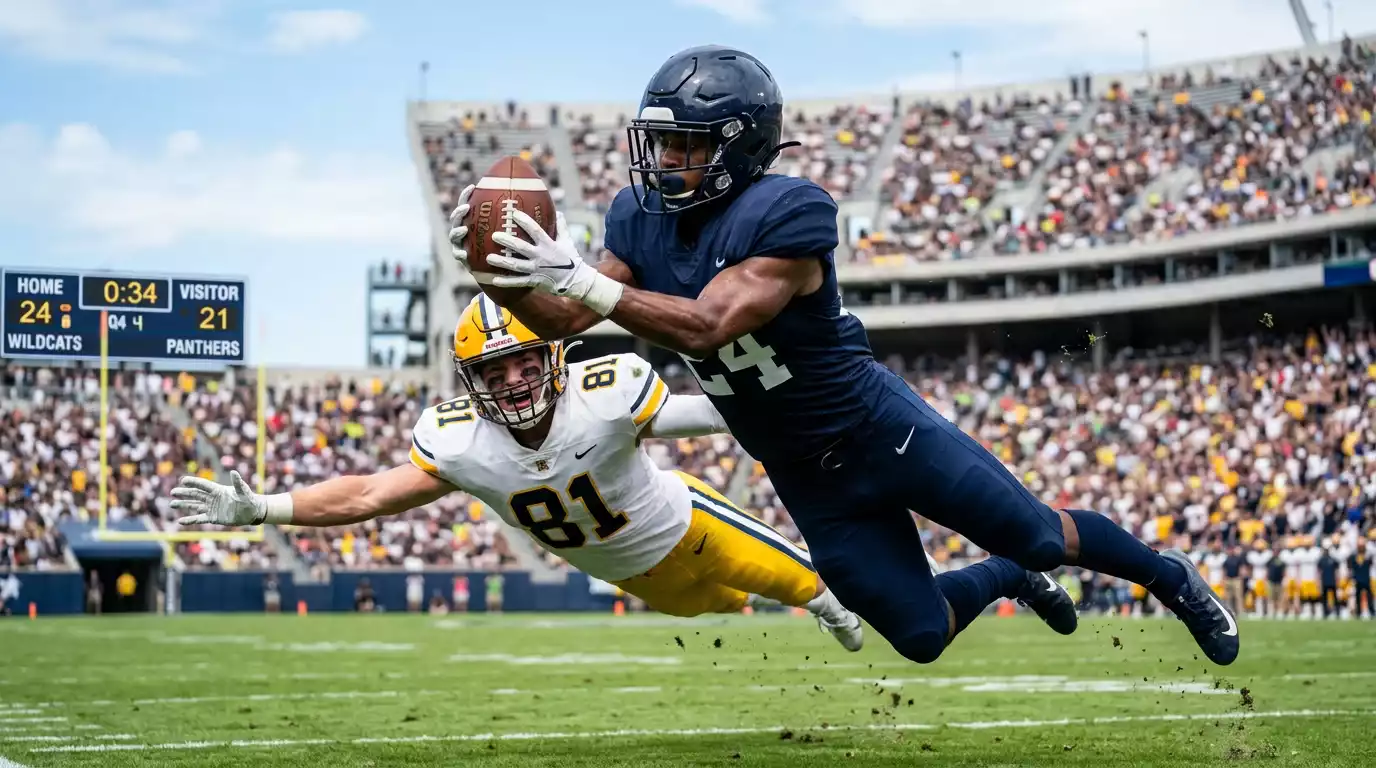
Interception props are the wildcard of the NFL prop board. A quarterback who hasn’t thrown a pick in three weeks can throw three in a single half. A defence that averages one interception per game can go four weeks without one, then grab three in a single afternoon. The variance is enormous – far higher than any other player prop category – and that volatility is precisely what creates value for bettors who understand when the conditions favour turnovers rather than just guessing.
I’ve tracked my interception prop bets separately from the rest of my prop portfolio for six seasons. My win rate on these bets is lower than on any other prop type. My return on investment is higher. That paradox exists because the odds on interception overs are generous – the sportsbook prices in the low base rate and the high unpredictability – and when the conditions align, the payout compensates for the many times the prop misses.
NFL Interception Prop Betting Volatility
The hold on single bets sits around 4 – 6% per BettorEdge analysis, but on interception props, the effective margin tends to be wider because the sportsbook faces greater pricing uncertainty. That uncertainty stems from the nature of interceptions themselves: they’re low-probability events driven by a combination of quarterback error, defensive positioning, and random chance.
A typical NFL quarterback throws between 0.5 and 1.5 interceptions per game. The most common prop line is 0.5 interceptions – will the quarterback throw at least one? The over is typically priced around 1.70 – 2.00, and the under around 1.80 – 2.10, depending on the quarterback’s interception rate and the opposing defence’s interception frequency. Those odds reflect the base rate, but they don’t fully capture the situational factors that cause interceptions to cluster in specific game environments.
What makes interceptions so volatile is that they aren’t normally distributed. Most games produce zero or one interception for a given quarterback. But certain conditions – trailing significantly, facing an aggressive defence, poor weather, a weaker arm attempting deep throws into tight coverage – can produce two, three, or four interceptions in a single game. Those blowout games are where the over on interception props pays off, and identifying the conditions that produce them is the analytical challenge.
Trailing Teams and Forced Throws: A Script-Driven Edge
The strongest predictor of interceptions isn’t the quarterback’s skill level or the defence’s talent. It’s game script. When a team trails by two or more touchdowns in the second half, the quarterback is forced into high-risk throws – deeper routes, tighter windows, more desperation. Every one of those throws carries elevated interception risk.
In-play betting exceeds 60% of all online football wagers across European markets according to industry data, and interception props are one of the live markets where game-script reading pays off most directly. If you’re watching a game and one team falls behind 21-3, the trailing quarterback’s interception prop – which was set based on pregame expectations of a balanced game – is suddenly underpriced for the over. The sportsbook adjusts, but rarely fast enough to capture the full magnitude of the script shift.
I target interception overs in games with large pregame spreads – 7 points or more – where the underdog quarterback has a history of forcing throws under pressure. That combination creates the conditions for multiple interceptions: the game script forces volume, the quarterback’s tendencies amplify the risk, and the defence’s scheme (usually conservative, protecting a lead) creates an environment where interceptions are more about the quarterback’s mistakes than the defence’s brilliance.
The reverse also holds. When two evenly matched teams play a close game, interception rates drop because neither quarterback is forced into desperation mode. In those spots, the under on interception props has a structural advantage. Quarterbacks in competitive games manage risk more carefully, check down more often, and throw the ball away rather than forcing contested throws. Close-game environments suppress the very conditions that produce interceptions.
Defensive Player Interception Props: A Rare but Valuable Market
Individual defensive player interception props – will a specific defender intercept a pass? – are among the rarest props on UK sportsbooks. Not every platform offers them, and when they do appear, the odds are long. A cornerback who intercepts three passes per season averages one interception every five or six games, which means the over on a single-game prop is typically priced at 5.00 or higher.
The value in these props appears when the matchup is extreme. A ball-hawking safety who has intercepted two passes in the past three weeks faces a quarterback with a high interception rate and a game script that projects volume passing – that alignment creates a spot where the long odds understate the actual probability. I bet these selectively, with small stakes, accepting that most individual interception bets will lose while the winners pay handsomely.
One more edge: interception return yards. Some platforms offer props on total interception return yardage, which is even more volatile than the interception itself. I avoid these because the additional layer of variance – not just whether an interception occurs, but how far the defender runs with it – makes the prop essentially random. There’s a line between acceptable variance and pure noise, and interception return yards crosses it. For a broader understanding of how defensive performance metrics inform prop analysis, the quarterback props guide covers how pass defence and interception tendencies interact with QB prop lines.
Are interception over bets better value than under bets on average?
Neither side has a blanket advantage. Interception unders win more often because the base rate of interceptions is low — most quarterbacks throw zero or one per game. But interception overs pay better because of the longer odds. The value depends on the specific game conditions: overs in blowout scripts against turnover-prone quarterbacks, unders in competitive games between well-matched teams.
How does poor weather increase interception prop opportunities?
Wind, rain, and cold affect ball flight and grip, increasing the likelihood of errant throws and tipped passes. Wet conditions make the football harder to control, raising the risk of both interceptions and fumbles. Wind above 15 mph is particularly impactful because it pushes passes off trajectory, creating opportunities for defenders to jump routes. Interception overs gain value in severe weather, especially when combined with a game script that forces passing volume.
Prepared by the nfl Best Player Prop Bets editorial staff.