UK Gambling Regulation for NFL Betting
 Available in US

The regulatory landscape for UK sports betting shifted more in eighteen months than it had in the previous decade. If you bet on NFL player props through a UKGC-licensed platform – and you should, because unlicensed alternatives offer zero consumer protection – the rules that govern your experience changed substantially between early 2025 and mid-2026. The overall gambling industry in the UK generated £16.8 billion in gross gambling yield for the year ending March 2025, per the Gambling Commission’s annual report. That scale of revenue guarantees that regulatory attention stays intense.
I’ve watched these changes unfold in real time, and some of them directly affect how you bet on NFL props: what happens when you deposit, how the operator communicates with you, and ultimately what odds you see on your screen. This isn’t abstract policy discussion – it’s money out of your pocket or back into it, depending on how well you understand what’s happening.
Affordability Checks in UK Sports Betting
The single most talked-about regulatory change among UK bettors landed on 28 February 2025, when online operators became obligated to conduct financial vulnerability checks on customers. The Gambling Commission had been signalling this move for years, and when it arrived, it reshaped the relationship between bettor and platform overnight.
What triggers a check varies by operator, but the framework follows Gambling Commission guidance. Patterns of escalating deposits, sudden increases in wagering frequency, or cumulative spending that exceeds certain thresholds can all prompt a review. The operator may request proof of income, source of funds documentation, or both. If you don’t comply, your account activity gets restricted until you do.
For NFL prop bettors specifically, this matters because the NFL season is compressed. Seventeen weeks of regular season plus playoffs means your betting activity is concentrated into roughly five months. Someone who bets moderately across forty Premier League weekends might spread the same total outlay thinly enough to avoid triggering a check. Concentrate that activity into NFL season and you’re more likely to hit a threshold.
Separately, the Gambling Commission introduced stake limits on online slots – five pounds per spin for adults aged 25 and over from April 2025, and two pounds for 18-to-24-year-olds from May 2025. These don’t apply to sports betting directly, but they signal the Commission’s willingness to impose mechanical limits on product design. Whether similar limits eventually reach prop betting is an open question worth watching.
Granular Marketing Consent Rules from May 2025
Since 1 May 2025, operators must obtain granular consent for marketing communications – broken down by product type and channel, according to ICLG reporting on UK gambling laws. Gone are the days of a single opt-in that covered everything from email promotions to SMS alerts about casino bonuses you never asked for.
For NFL prop bettors, this change is quietly positive. You can now opt into NFL-specific communications without being bombarded by slot promotions or live casino offers that clutter your inbox. The flipside is that if you haven’t actively opted in to relevant categories, you might miss genuine promotional value on NFL props – boosted odds, free bets tied to specific games, enhanced accumulators around London fixtures.
I’ve found that reviewing these preferences at the start of every NFL season takes five minutes per platform and prevents two recurring annoyances: missing useful offers and being buried under irrelevant ones. The opt-in categories aren’t always labelled clearly, so look for anything mentioning sports betting, American football, or NFL specifically. If the platform only offers a generic “sports” category, that’s still better than having everything switched off.
My practical advice: when the season approaches, review your marketing preferences on every platform you use. Opt in selectively to sports betting communications and opt out of everything else. The granular consent framework gives you that control for the first time, and using it deliberately is better than ignoring it and missing value or drowning in noise.
The 2027 Remote Betting Tax and Its Impact on Odds
This is the change that hasn’t hit yet but casts the longest shadow. The Finance Act 2026 introduced a new remote betting rate of 25%, effective 1 April 2027. The House of Commons Library projects this will raise £810 million in the 2026/27 fiscal year, growing to £1.16 billion by 2030/31.
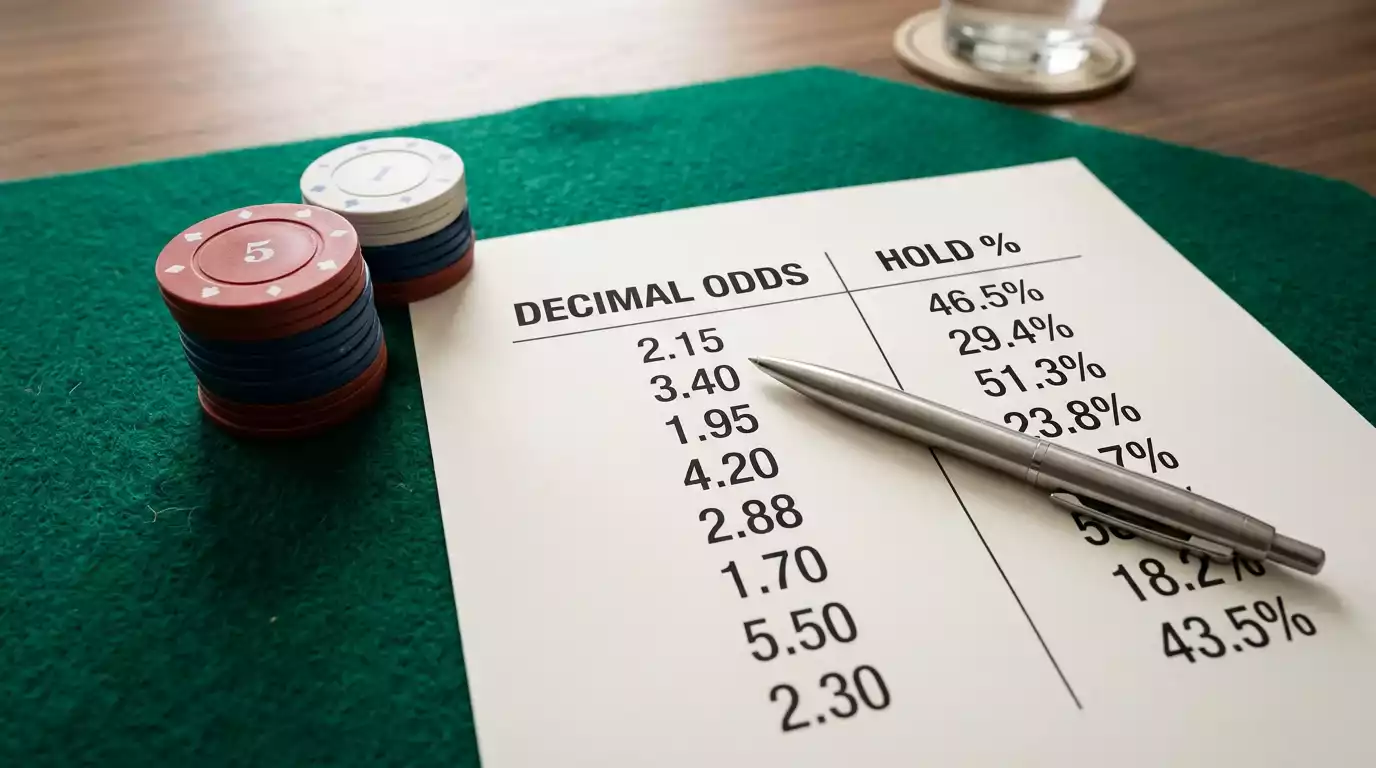
What does a tax change mean for prop bettors? Everything flows through margin. When the operator’s tax bill increases, that cost gets passed downstream in one of three ways: wider margins on odds (worse prices for you), reduced promotional spending (fewer free bets and boosts), or thinner prop coverage (fewer markets per game, removing the least liquid ones). Most likely, it’ll be a combination of all three.
Matthew Davidow, a former executive at Huddle – a company that supplied odds to sportsbooks – described the current situation as terrible for society, arguing that odds are already structured so that bettors’ chances of losing are higher than they should be. A 25% remote betting rate will put further pressure on operators to protect their margins, and the path of least resistance is to widen the vig on the markets where bettors are least price-sensitive. Niche player props – the exact markets where informed bettors find edge – are likely candidates for wider spreads.
The practical takeaway for 2026 and beyond: line shopping across multiple UK platforms becomes even more critical. When operators absorb a tax increase differently – some widening margins more aggressively than others – the gap between the best and worst available odds on the same prop grows. That gap is where your edge lives. Understanding responsible gambling tools and setting firm deposit boundaries will also matter more in an environment where every edge is thinner and the temptation to chase becomes stronger.
The 2027 tax reform doesn’t mean NFL prop betting in the UK becomes unviable. It means the margin for error shrinks, and the bettors who adapt – by shopping harder, sizing smarter, and tracking results rigorously – will separate from those who treat the sportsbook app like a slot machine.
Will the 2027 remote betting tax make NFL prop odds worse for UK bettors?
Almost certainly. When operators face a higher tax burden, they protect margins by widening the vig on odds, reducing promotional offers, or both. Niche markets like player props are particularly vulnerable because they attract less volume to absorb the cost. Line shopping across multiple platforms becomes more important than ever.
What triggers a financial vulnerability check on a UK sportsbook?
Triggers vary by operator but typically include escalating deposit patterns, sudden increases in wagering frequency, or cumulative spending that exceeds internal thresholds set under Gambling Commission guidance. The check may require proof of income or source of funds documentation before full account access is restored.
Written by the editors at nfl Best Player Prop Bets.